Everything you need to build
The exact parts used in this series — antenna materials and the SDR receive chain that turns them into images and data.
Parts for the QFH build
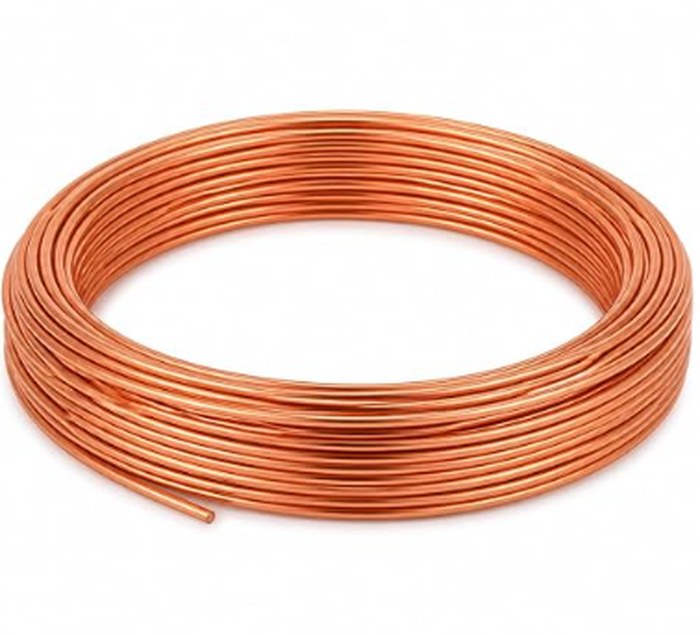
2mm bare copper wire
For the loop elements — the app's QFH calculator uses 2mm as its reference gauge for all its measurements.
Get this →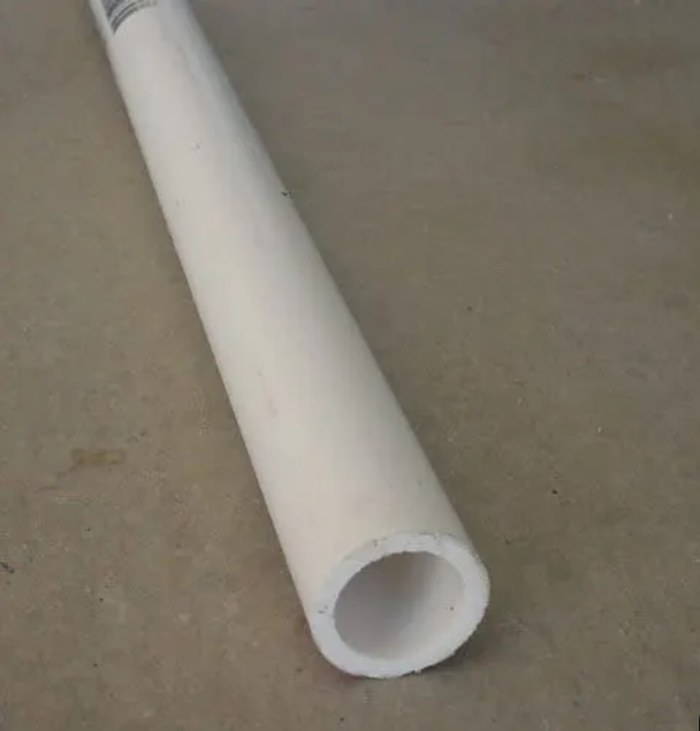
25mm PVC pipe
The support tube — the app calculates the minimum length for your target frequency (typically 80cm or more).
Coax cable (RG-58) 50 ohm
The feedline carrying signal from the antenna down to your SDR.
Get this →Parts for the V-dipole build
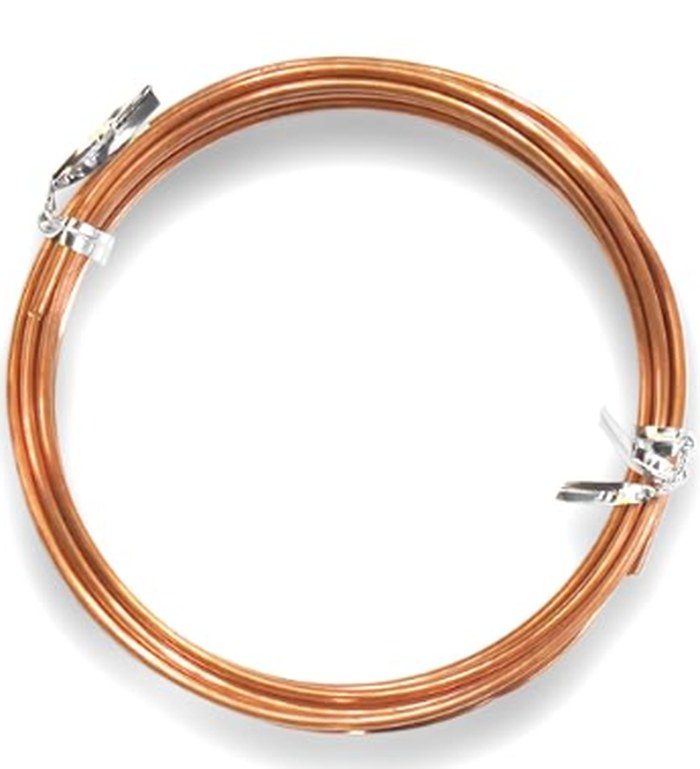
3mm wire or rod
Two arms, cut to length for your target frequency — the app's calculator gives you the exact measurement for each arm.
Get this →What turns signal into image
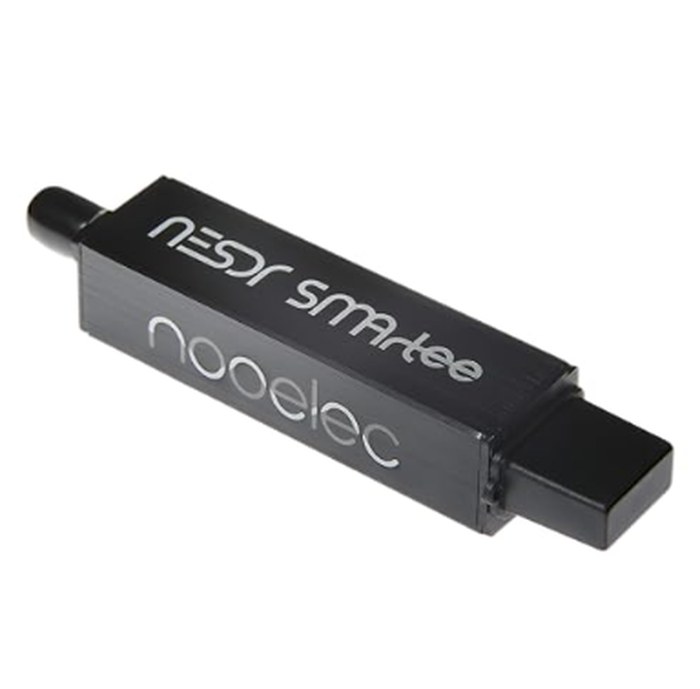
RTL-SDR dongle
The actual radio — plugs into your computer or Pi and does the receiving. Look for one with an always-on bias-tee if you're powering an LNA through the coax.
Get this →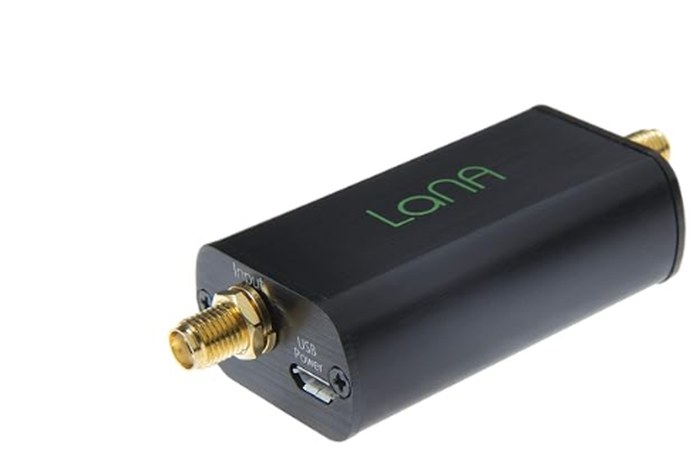
Wideband LNA
Boosts the weak signal before it travels down the coax, right at the antenna end of the chain.
Get this →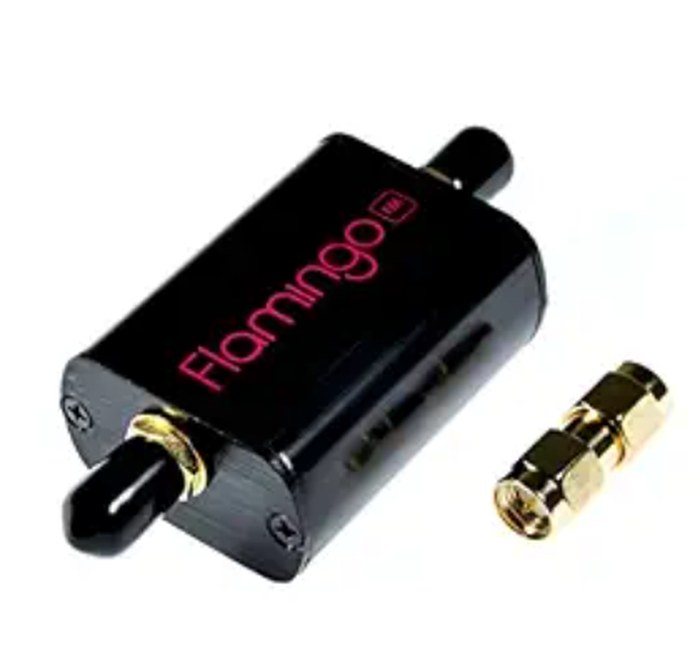
FM bandstop filter
Sits before the LNA and blocks strong local FM broadcast stations from swamping your receiver.
Get this →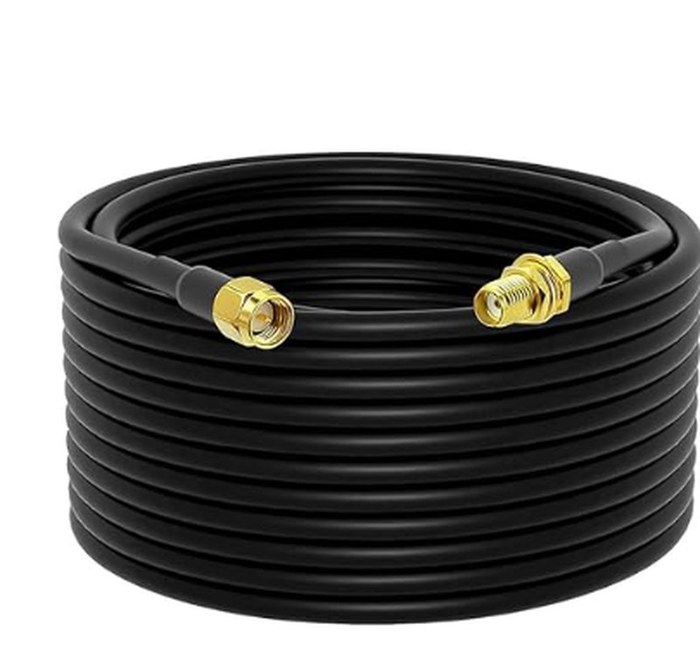
SMA male-to-female jumper
Connects your coax feedline into the SDR's SMA input — a short jumper, not the long antenna-to-receiver run.
Get this →NanoVNA
For tuning and verifying your antenna is actually resonant on your target frequency before you rely on it.
Get this →